Biological degradation of B/N-doped carbon nano-onions and the autophagy induction in macrophages
Abstract
Boron/nitrogen co-doped carbon nano-onions (BN-CNOs) are an emergent carbon nanomaterial with high structural stability and excellent biocompatibility. They have recently been demonstrated as a viable platform for the targeted delivery of anticancer therapeutics; however, their biodegradation behaviour and impact on immune cells remain unexplored. Here, we investigated the enzymatic and radical-mediated degradation pathways of BN-CNOs, and their surface-oxidised counterpart (oxi-BN-CNOs) using human myeloperoxidase (hMPO), horseradish peroxidase (HRP), and a UV-assisted photo-Fenton (PF) reaction that mimics tumour-associated oxidative environments. The biodegradation progress was tracked using TEM, Raman spectroscopy, XPS, and LC-MS. The results revealed a progressive loss of graphitic order and multilayer disruption, along with the generation of degradation by-products containing oxygen-rich, oxidised aromatic fragments. The degradation efficiency followed the hierarchy: PF > hMPO > HRP; and oxi-BN-CNOs exhibited faster and more extensive degradation than BN-CNOs, consistent with their higher surface oxygenation. Both nanomaterials were non-haemolytic and preserved macrophage metabolic viability, whereas 150 h degradation by-products displayed marked cytotoxicity. In RAW264.7 macrophages, BN-CNOs and oxi-BN-CNOs were efficiently internalised and triggered autophagy, with oxi-BN-CNOs eliciting a quantitatively stronger response. oxi-BN-CNOs markedly increased Beclin-1, ATG5/7/12, and LC3 lipidation while maintaining stable autophagy-gene transcription and minimal inflammatory activation, uncovering a post-transcriptional mode of autophagy regulation. Together, these findings establish oxi-BN-CNOs as degradable, immunologically compatible carbon nano-constructs that selectively enhance autophagy, offering mechanistic insights essential for their continued biomedical translation.
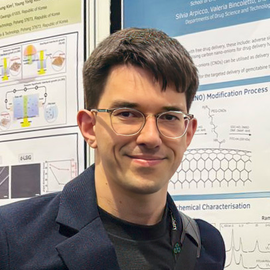
Michał Bartkowski
Postdoctoral Researcher
Michał Bartkowski is currently a Postdoctoral Researcher in the group of Prof. Silvia Giordani at Dublin City University, supported by her Research Ireland Frontiers for the Future Programme grant (2/FFP-A/11067).
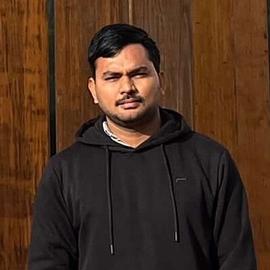
Manikrishna Lakavathu
PhD Student
Manikrishna Lakavathu is currently a 2nd year PhD student in the group of Prof. Silvia Giordani at Dublin City University, supported by her Research Ireland Frontiers for the Future Programme Award (2/FFP-A/11067) and the DCU Co-Fund programme.

Silvia Giordani
Full Professor Chair of Nanomaterials
My research interests are in the design, synthesis, and characterization of hybrid smart nanomaterials for biomedical, energy and environmental applications