ECIU BioNanoAge Project Meeting and Lab Tour Hosted by Giordani Group at DCU
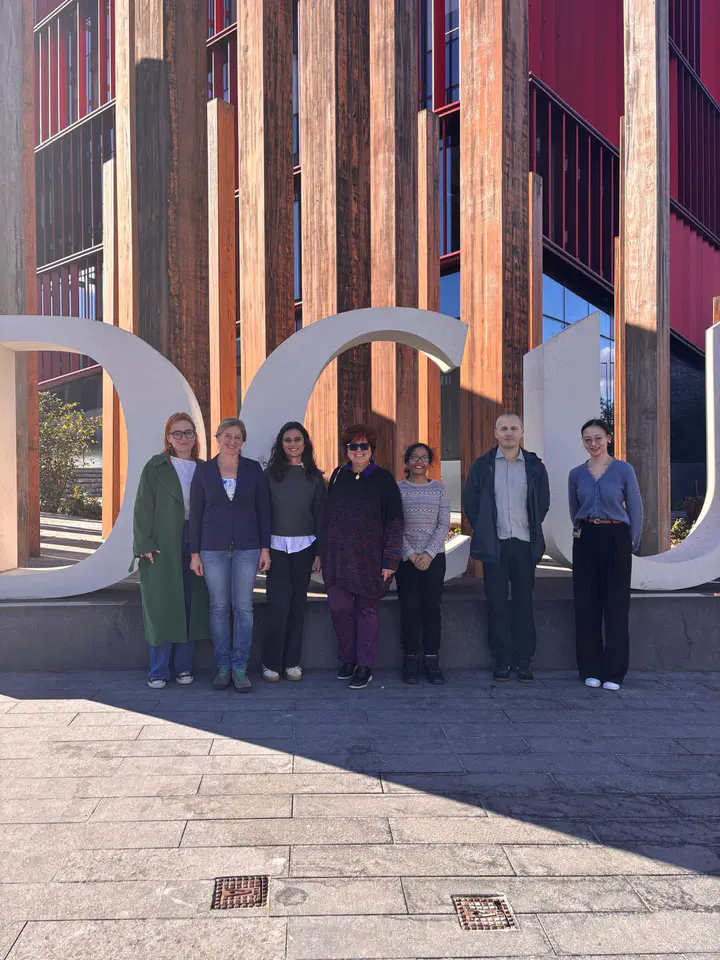
On October 20, the Giordani Group welcomed international collaborators to Dublin City University (DCU), Glasnevin Campus, for a productive meeting of the ECIU BioNanoAge project. The visiting delegation included research teams led by Assoc. Prof. Anna Wajs-Bonikowska from Lodz University of Technology and Asst. Prof. Bruno Bernardes de Jesus from the University of Aveiro.
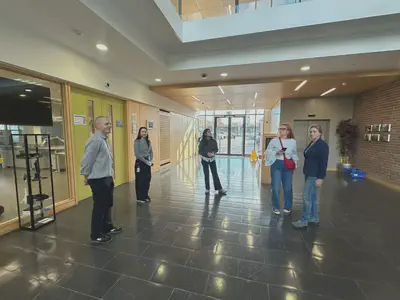
The visit began with a tour of DCU’s core research facilities, guided by Giordani Group members Wanting Zhang, Yingru Zhou, and Diego Armando Acevedo Guzman. At the Life Sciences Research Facility (LSRF), visitors explored advanced bioimaging and live-cell assay platforms. The tour continued at the Nano Research Facility (NRF), where participants learned about state-of-the-art instrumentation for surface modification and materials characterization. The delegation then visited the chemistry laboratories to discover facilities dedicated to the synthesis and functionalization of carbon-based nanomaterials. A walking tour of the Glasnevin Campus also offered visitors an opportunity to experience DCU’s vibrant research environment.
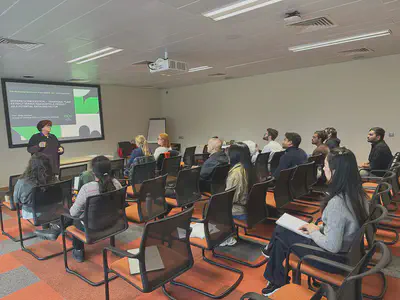
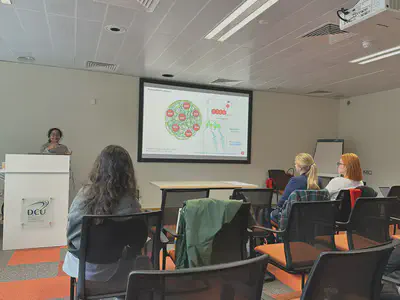
The afternoon programme featured a project workshop opened by Prof. Silvia Giordani, who outlined DCU’s role in the BioNanoAge project, reviewed upcoming milestones, and highlighted the key objectives of the meeting. Scientific presentations followed, with Soumakanya Ram presenting her research on the colloidal stability and drug-loading efficiency of functionalized carbon nano-onions, and Katarzyna Kucybala showcasing her PhD research on the design and optimization of nanoemulsion systems. Members of the Giordani Group joined the discussions, welcoming the visiting researchers and exchanging ideas on ongoing and future research activities.
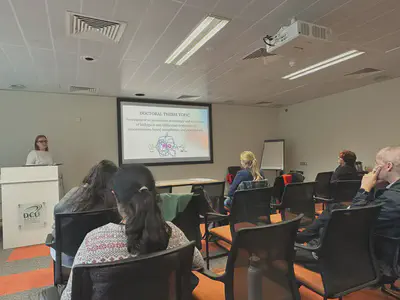
The day concluded with a collaborative strategy session focused on defining future research priorities, coordinating project deliverables, and strengthening collaboration across partner institutions. The meeting provided a valuable opportunity to share scientific expertise, explore synergies between research teams, and align efforts towards the project’s objectives.
Overall, the visit marked an important step in advancing the ECIU BioNanoAge project, reinforcing international partnerships and fostering the interdisciplinary collaboration needed to drive innovative research at the intersection of nanomaterials, bioengineering, and biomedical applications.
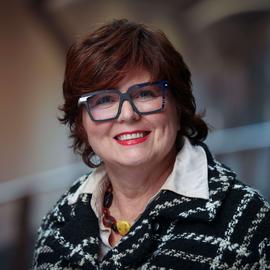
Silvia Giordani
Full Professor Chair of Nanomaterials
My research interests are in the design, synthesis, and characterization of hybrid smart nanomaterials for biomedical, energy and environmental applications

Soumakanya Ram
PhD Student
Soumakanya Ram is currently a 2nd year PhD student in the group of Prof. Silvia Giordani at Dublin City University, supported by her Research Ireland Frontiers for the Future Programme Award (2/FFP-A/11067).
